
Beyond the Avatar: What AI Customer Generation Actually Means
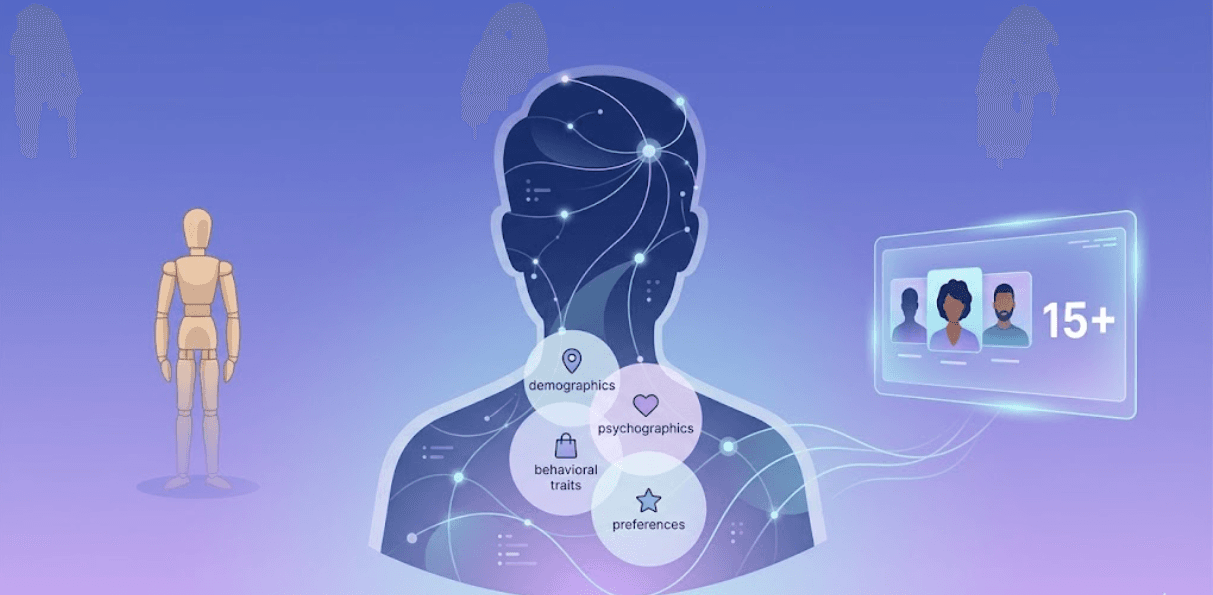
Learn how AI customer generation works and how to create realistic customer customers using AI. A practical guide for marketers, startups, and product teams. Understanding your customer has always been at the core of good marketing. But traditional customer creation based on surveys, interviews, and assumptions has clear limitations. It’s slow, expensive, and often too generic to capture real behavioural differences. This is where AI customer generation changes the game.
Introduction
Ask most marketers how they build customer personas, and they’ll pull out a laminated sheet with "Startup Steve" or "Eco-Friendly Emma." Three to five avatars, maybe a stock photo, and a few bullet points about age and income. That model worked fine when markets moved slowly. But today? Consumers change their minds based on mood, algorithm, and five seconds of TikTok inspiration. The old approach isn't just outdated—it's actively misleading.
That’s where AI customer generation comes in. It offers a way out of the oversimplification trap. But before we go further, let's actually define what we're talking about.
What Is AI Customer Generation?
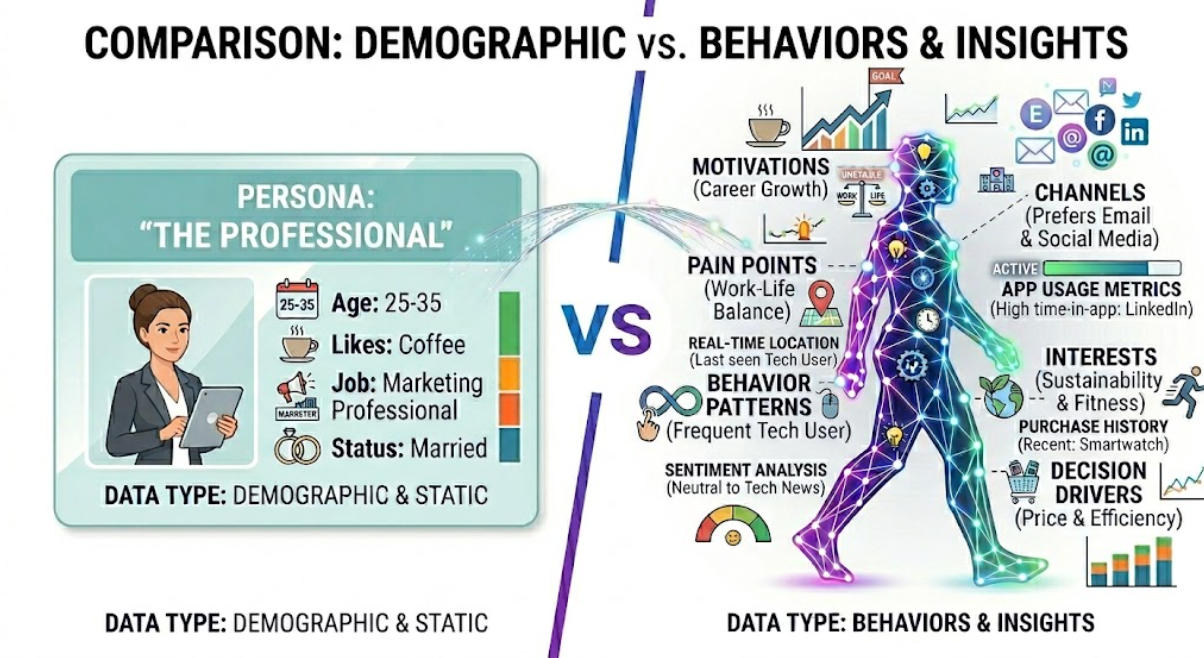
At its core, AI customer generation is the process of using machine learning models to create realistic customer profiles based on structured and unstructured data. But unlike traditional personas, these AI-generated customers include far more than just demographics.
They capture psychographics—values, motivations, lifestyle choices. They model behavioral traits like buying habits and decision-making styles. They even track preferences around brands, platforms, and product categories. In other words, they move from simply telling you who your customer is to revealing why they act the way they do.
And unlike traditional customers that remain static for years, AI-generated customers can scale quickly and adapt to different markets or use cases. You can generate a fresh set for a new product launch in minutes, not weeks.
Why AI Customer Generation Matters Right Now
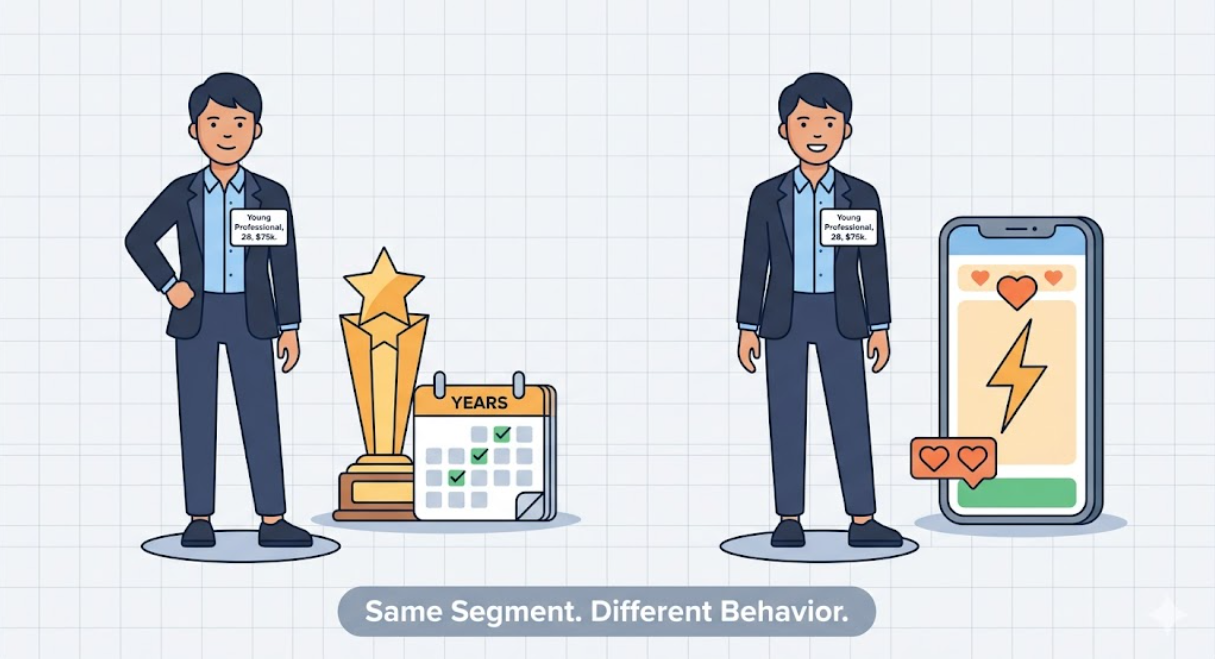
Let’s be honest about why this shift is necessary. Modern markets are too complex for oversimplified segments. A single category like "young professionals" can include people with almost nothing in common when it comes to motivation and behavior.
Take two people in the same age group, living in the same city, with similar incomes. One may be driven by achievement and long-term value. They will read ten reviews, wait for a sale, and prioritize durability over trends. The other may prioritize social influence and novelty. They buy what an influencer recommends and care more about how a product looks than how long it lasts.
Both are young professionals. Both behave completely differently. Traditional personas miss that entirely. AI makes these distinctions visible and actionable. That’s not a small improvement—it’s a fundamental upgrade in how we understand markets.
How to Create Customers Using AI
Creating AI-generated customers isn't just about running a model and hoping for the best. It requires structured input and clear intent. You can't just say "give me some customers" and expect useful results.
Start by defining your objective. Are you building these customers for a marketing campaign, product design, or early idea validation? Your goal determines which attributes matter most. A customer for a luxury watch brand will look very different from a customer for a budget meal kit service, even if both target similar age brackets.
Next, gather input data. AI works best when it has context. Existing customer data from your CRM, market research reports, industry trends, and target geography all help the model produce more realistic profiles. Even minimal input can work, but better data leads to far more believable results.
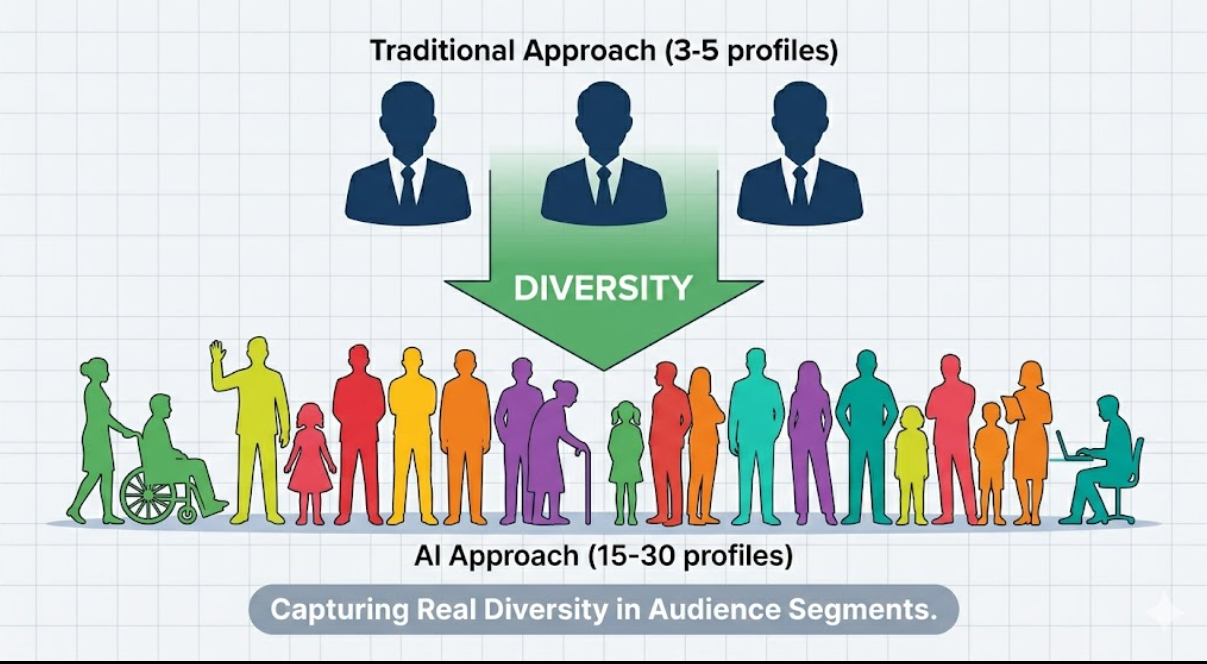
Once you have your inputs, you generate the customers. Using AI tools, you can create multiple profiles that vary across age groups, income levels, motivations, and behavioral patterns. Here’s where most teams get it wrong: they generate three to five customers and call it done. That’s a mistake. Instead, aim for fifteen to thirty profiles. That range captures real diversity rather than simply reinforcing your own assumptions.
After generation, take time to refine and structure everything into a consistent format. Give each customer a name and background. List their key motivations, buying behavior, and pain points. That structure makes the customers usable across product, marketing, and sales teams. Without it, they remain interesting but impractical.
The Benefits of AI-Generated Customers
The advantages over traditional methods are hard to ignore. Speed is the most obvious one. Where traditional personas might take weeks of research, workshops, and approvals, AI-generated customers can be created in minutes. That speed alone changes how quickly teams can move from insight to action.
Scalability is another major benefit. You can generate dozens of profiles across different markets without starting from scratch each time. Expanding into a new geography? Generate a fresh set of local customers in an afternoon. Launching a new product line? Adjust the inputs and regenerate.
Flexibility matters too. You can adapt customers for different campaigns or products almost instantly. The same base model can produce customers for a holiday campaign one week and a loyalty program the next. But the real value is insight depth. You stop just knowing who your customers are. You start understanding why they act the way they do.
The Limitations You Need to Know
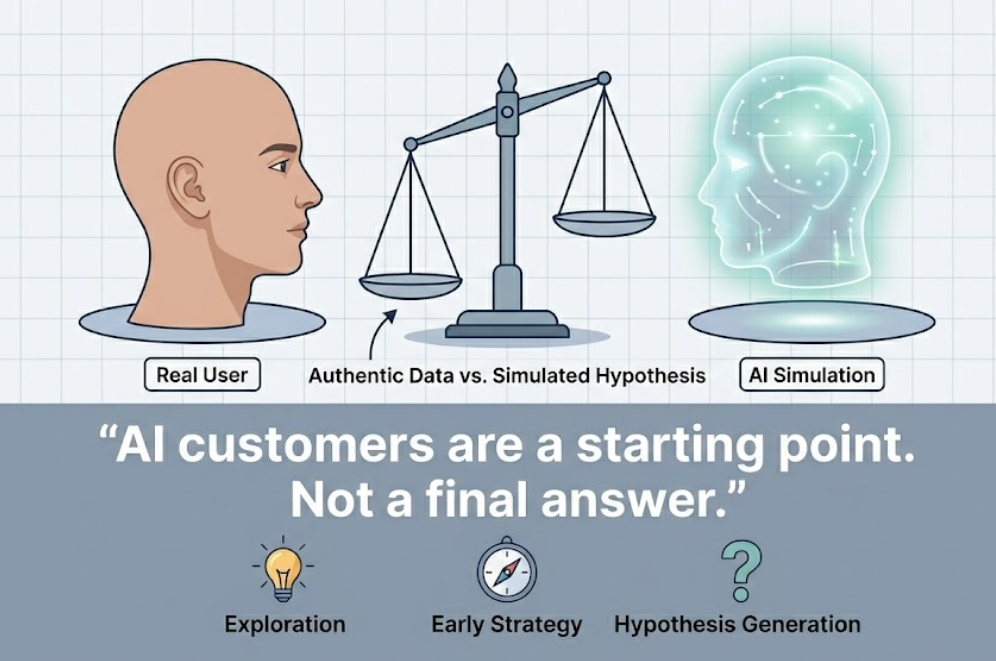
That said, AI customer generation has real limitations, and it’s important to be honest about them. These customers are simulated, not real users. They are approximations, not validated truths. No matter how good the model, you are not looking at actual human beings.
The quality of your output depends entirely on the quality of your input data. Garbage in, garbage out still applies. If your existing data is biased or incomplete, your AI-generated customers will inherit those same flaws. There’s also a risk of overgeneralization if you don’t review the results carefully.
Because of these limitations, AI-generated customers are best used for exploration and early-stage strategy. They are not a replacement for real customer validation, interviews, or usability testing. Consider them a powerful starting point, not a final answer. Use them to generate hypotheses, then go test those hypotheses with real people.
Best Practices for Getting Real Value
If you want to get the most from AI customer generation, follow a few simple guidelines. First, always combine AI-generated customers with real user data. Let AI suggest interesting hypotheses, then let actual customers confirm or challenge them. The two work best as partners, not substitutes.
Second, use a diverse set of profiles. Don’t just generate your ideal customer over and over. Include edge cases and outliers, because those often reveal the most interesting opportunities and hidden risks. The customer who almost doesn't fit is sometimes the one who teaches you the most.
Third, regularly update your customers based on new insights. Markets shift faster than they used to. What was true six months ago may no longer hold. Refresh your AI customers quarterly or whenever you gather significant new data.
Finally, always test your ideas across multiple customers, not just one. A campaign that works for ten out of twenty profiles is worth exploring further. A campaign that works for only one profile is probably just luck or overfitting. Diversity across testing prevents false confidence.
Frequently Asked Questions
You might still have a few practical questions, and that's fair. Are AI-generated customers actually accurate? The honest answer is that they are useful approximations, but they should always be validated with real-world data. They are not perfect mirrors of reality, and they were never meant to be.
How many should you create? Typically, fifteen to thirty profiles offer a good balance between diversity and usability. Anything fewer and you risk oversimplification. Anything more and you risk analysis paralysis. Find the number that sparks useful conversations without overwhelming your team.
Can AI customers replace real interviews? No, and they shouldn't. Use AI to generate ideas and direction. Use real interviews to confirm, refine, or reject those ideas. Each has a distinct role in the research process.
Conclusion
AI customer generation is genuinely transforming how businesses understand their audiences. By creating dynamic, detailed customer profiles, companies can move beyond lazy assumptions and make more informed decisions at every stage of product development and marketing.
But the key is to treat it as a complement to real research, not a substitute for it. When used correctly, it doesn't replace talking to real humans. It enhances it. It gives you better questions to ask, better hypotheses to test, and better direction to pursue.
So go ahead. Generate twenty customers. Test your next campaign against them. Then go validate with the real world. You'll be surprised how much clearer things get when you stop guessing and start exploring.
Related Blogs
View All
How AI Pricing Fills Empty Hotel Rooms and Maximizes Revenue
Recent
The Machine Failure: How AI Predicts Breakdowns Before They Stop Production
Recent
How AI Predicts Truck Failures Before They Happen
Recent
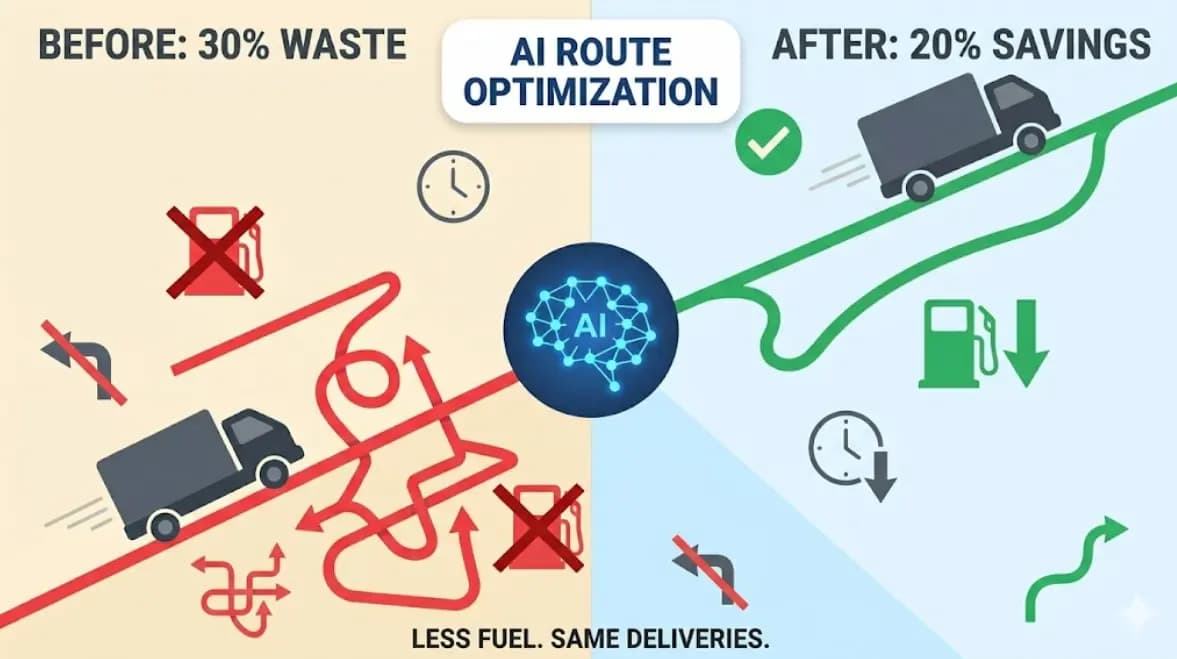
The Route That Bleeds Cash: How AI Cuts Fuel Costs Without Reducing Deliveries
Recent