From Guesswork to Precision: How AI Transforms Ad Creative Optimization
Draft
Prime Technologies
Technical Writer
Discover how AI helps optimize ad creatives, including copy and visuals, to improve engagement and campaign performance.
The Old Way Was Costly
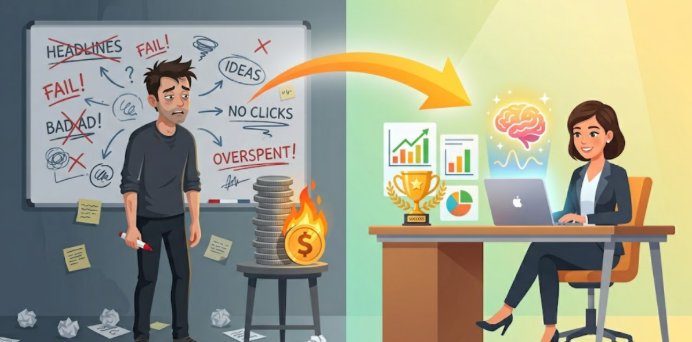
Creating effective advertisements has never been just about creativity. Anyone can dream up a clever tagline or a flashy visual. The real challenge is understanding what actually resonates with your audience. And for most of advertising history, that understanding came the hard way through trial and error.
Traditionally, improving ad creatives meant launching campaigns, spending significant budget, and waiting to see what worked. If an ad flopped, you learned something, but you also lost money. If an ad performed well, you weren't always sure why, which made replicating that success difficult. Teams would run multiple iterations, test different headlines, swap out images, and slowly inch toward better results. But this process was slow, expensive, and often frustrating.
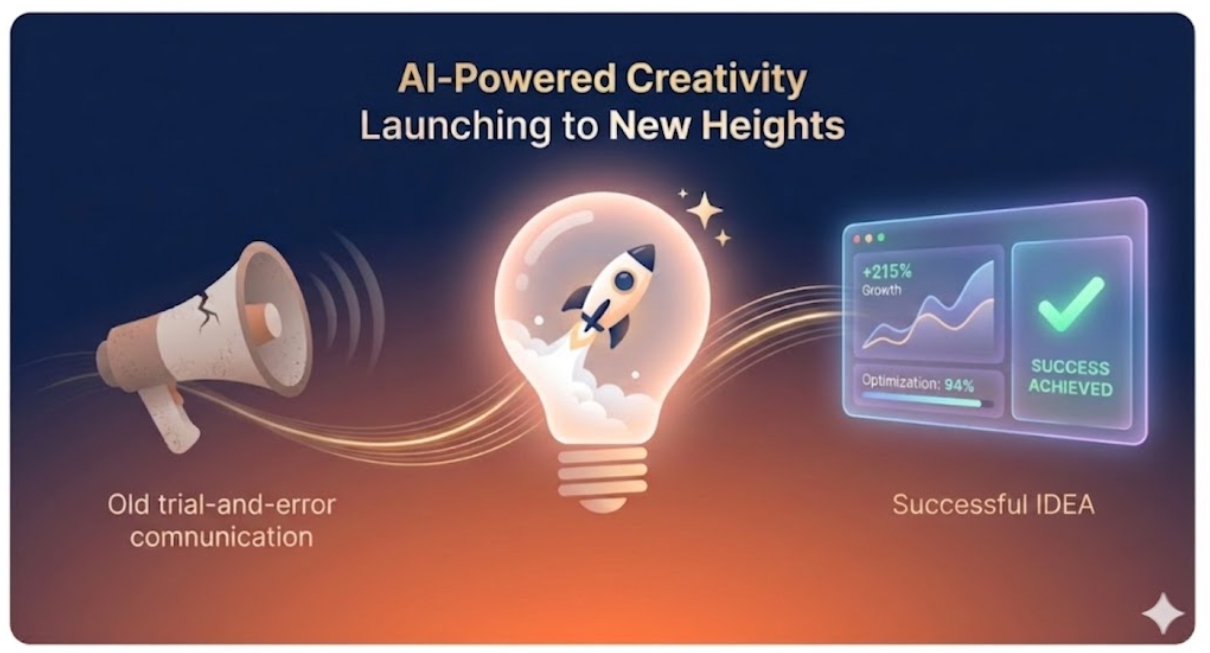
AI changes this entirely. By enabling ad creative optimization before and during campaigns, artificial intelligence helps marketers stop guessing and start knowing. AI can analyse patterns in successful ads, simulate audience responses, and refine both copy and visuals to maximize impact. The result is a smarter, faster, and more cost-effective approach to advertising.
What Is AI Ad Creative Optimization?

Let's start with a clear definition. AI ad creative optimization involves using machine learning to evaluate and improve specific elements of an advertisement. These elements include headlines, ad copy, images and visuals, and the all-important call-to-action, or CTA. The goal is simple: identify which combinations of these elements are most likely to drive engagement and conversions.
In practice, this means feeding large volumes of past campaign data into AI models so they can learn what works. The AI analyses which headlines generated clicks, which images held attention, which CTAs drove purchases. Over time, it detects subtle patterns that humans might miss things like how certain tones of voice perform better on specific platforms, or how particular colour schemes influence user behaviour across different audience segments.
Beyond analysis, AI can also generate multiple variations of ad creatives in a short amount of time. This allows marketing teams to test different approaches without dramatically increasing their workload. Faster experimentation leads to continuous improvement, which helps campaigns stay relevant and effective in a constantly changing digital environment.
How AI Improves Ad Creatives
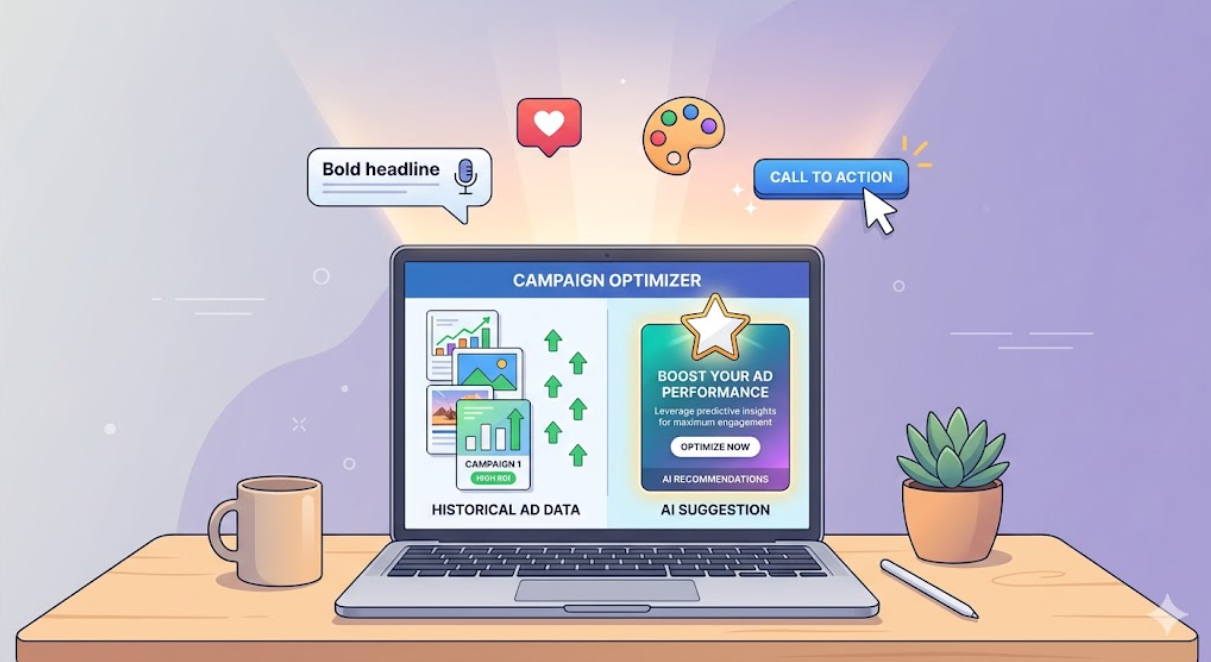
The magic of AI lies in its ability to process massive amounts of data and detect patterns associated with high performance. A human marketer might review dozens of past ads. An AI can review thousands or even millions, spotting trends across industries, platforms, and audience types.
Based on this analysis, AI can suggest stronger headlines than the ones you initially wrote. It can identify emotional triggers that consistently resonate with your target audience whether that's a sense of urgency, a feeling of belonging, or the promise of convenience. AI can recommend visual styles that align with what your specific audience responds to, and it can optimize both the placement and wording of your call-to-action for maximum impact.
But the capabilities go even further. AI can also compare your current creatives with historical campaign data to identify what has worked in similar contexts. This is incredibly valuable because it moves beyond generic advice. Instead of being told that "short headlines perform better," you might learn that short, curiosity-driven headlines work best for your specific audience in the software industry during Q4. That level of specificity is hard to achieve through intuition alone.
Ultimately, instead of relying purely on gut feeling, marketers gain access to data-driven insights that guide every creative decision.
Benefits of AI in Creative Optimization
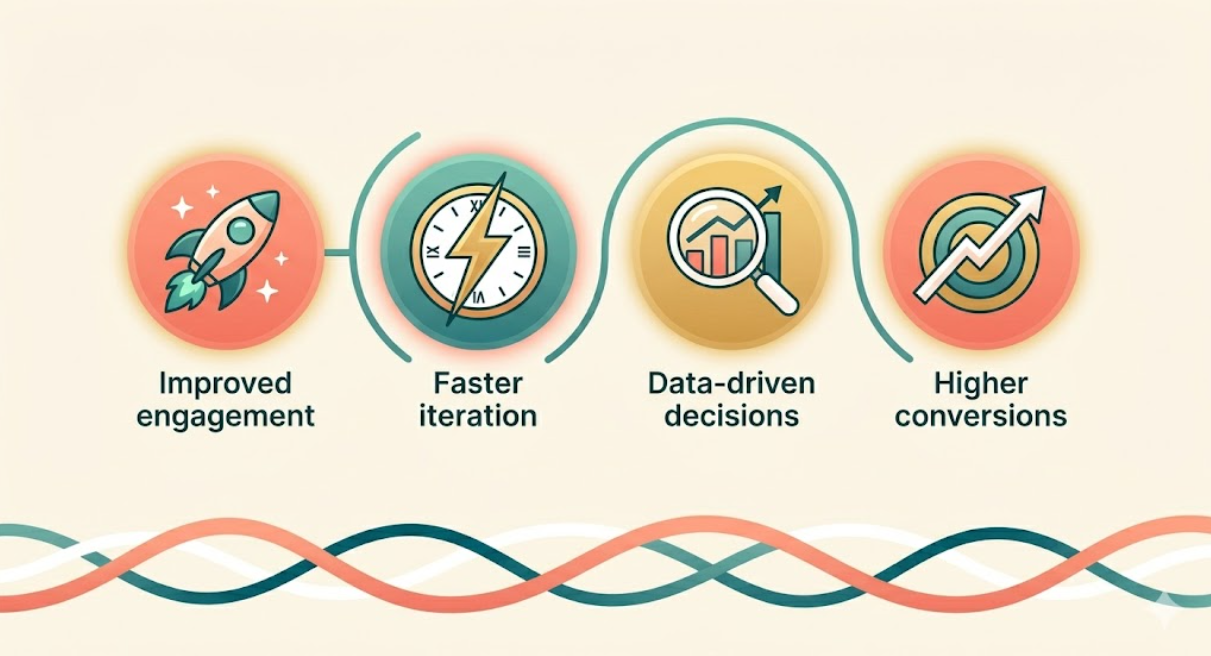
The advantages of bringing AI into your creative workflow are substantial and measurable. Perhaps the most obvious benefit is improved engagement. When your ads are built on patterns proven to resonate, they simply perform better. People click more, watch longer, and convert more often.
Another major benefit is faster iteration. Where a traditional team might spend weeks producing and testing a handful of ad variations, AI can generate and evaluate dozens or even hundreds of options in a matter of hours. This speed allows you to test more ideas, fail faster on the bad ones, and double down on what works without burning through your budget.
Data-driven decisions are another cornerstone benefit. AI removes much of the guesswork from advertising. Instead of arguing over whether a blue button or a green button will perform better, you can let the data decide. This doesn't eliminate creativity it simply gives creative people better information to work with.
Finally, all of this leads to higher conversions. When every element of your ad is optimized for your specific audience and platform, performance improves across the board. You spend less to acquire customers, and your campaigns deliver better returns.
Know the Limitations
Of course, AI is not a magic wand, and it comes with important limitations. The biggest risk is over-reliance on automation, which can quietly kill originality. If you let AI generate every headline and optimize every image without human input, your ads may become technically effective but creatively boring. AI tends to Favor patterns that have worked before, which means it can accidentally steer you away from bold, fresh ideas that haven't yet proven themselves.
Another limitation is cultural and contextual nuance. AI models are getting better at understanding language and emotion, but they still miss things that a human would catch instantly. Sarcasm, wordplay, regional humour, or sensitive cultural references can easily be misunderstood by an algorithm. An AI might recommend a headline that is technically high-performing but accidentally tone-deaf for your specific moment or market.
For all these reasons, human oversight remains absolutely necessary. AI should be treated as a powerful assistant, not an autonomous creator. The best results come from collaboration, not replacement.
Best Practices for Getting It Right
If you want to get the most out of AI in ad creative optimization, approach it as a collaborative tool rather than a fully automated solution. AI can provide incredible insights and suggestions, but human judgment is still essential for maintaining brand voice, protecting creativity, and understanding context.
Start by using AI as a support tool, not a replacement. Let it generate variations, analyse patterns, and make predictions. Then let your creative team review, refine, and decide. The AI handles the heavy lifting of data processing, and the humans handle the art of storytelling and emotional connection.
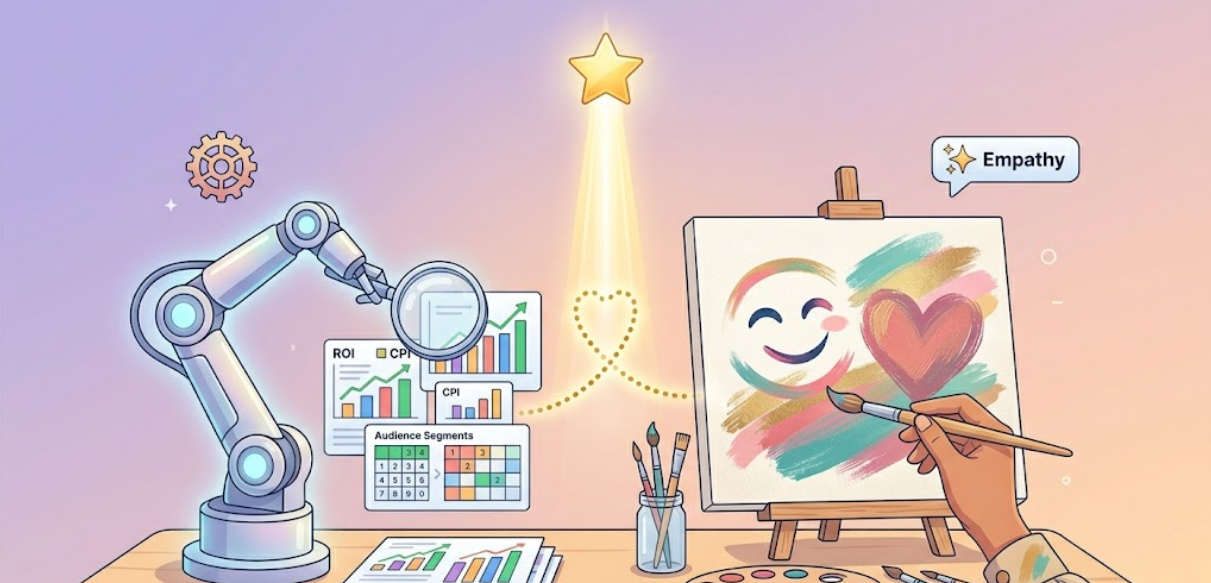
Always combine creative intuition with data insights. The numbers might tell you that one headline performs best, but your gut might tell you that a different headline better represents your brand. Trust the data for optimization, but trust your team for direction. The sweet spot is somewhere in the middle.
Continuously test and refine. AI gets better with more data, so don't treat optimization as a one-time event. Run ongoing experiments, feed the results back into your models, and let the system learn from every campaign.
Finally, monitor performance across different audience segments. An ad that works beautifully for one group might fall flat for another. AI can help you spot these differences, but it's up to you to act on them.
Conclusion: Balance Is Everything
AI in ad creative optimization provides a genuinely powerful way to improve advertising effectiveness. By combining human creativity with data-driven insights, businesses can create ads that are not only visually appealing and emotionally resonant but also strategically effective and performance-oriented.
But the best results never come from handing the keys entirely to the machine. They come from balance. Let AI handle the data, the pattern recognition, and the heavy lifting of variation generation. Let humans handle the brand voice, the cultural intuition, and the bold creative leaps.
In modern advertising, the winning formula is simple: human creativity plus AI intelligence. Neither is sufficient on its own. Together, they are unstoppable.