
How AI Pricing Fills Empty Hotel Rooms and Maximizes Revenue
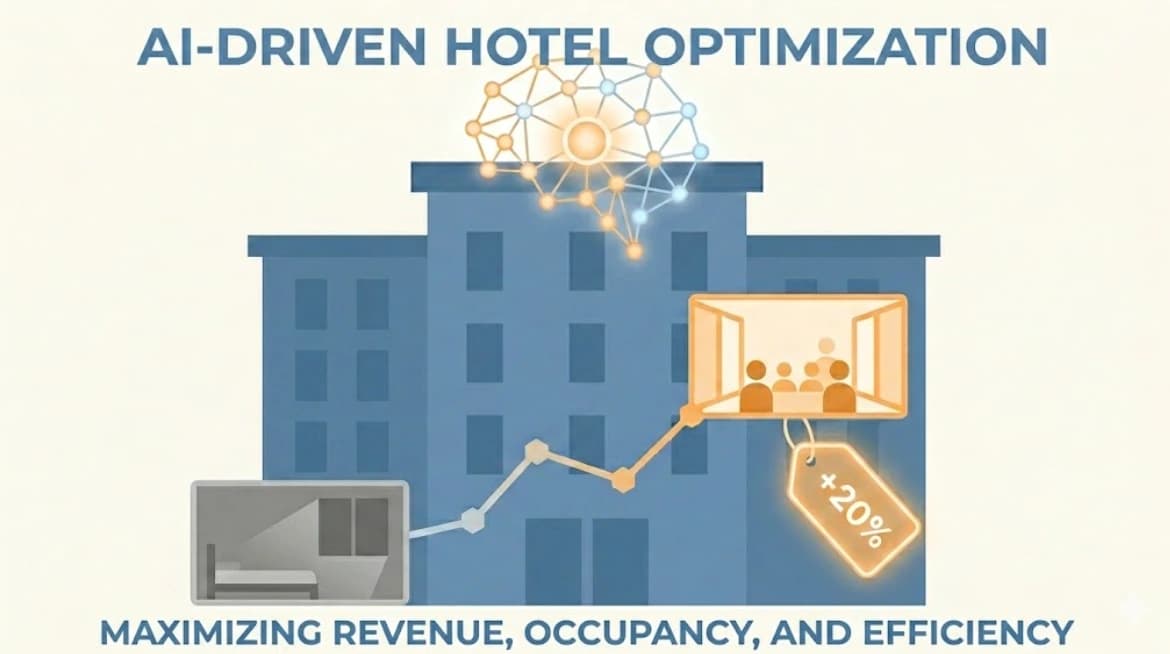
AI-driven dynamic pricing transforms hotel revenue by analyzing real-time demand signals to eliminate empty rooms and maximize nightly profits.
The Empty Room Equation
A hotel room is the most perishable product in business. An unsold room on a Tuesday night generates zero revenue. The cost of cleaning, utilities, and staffing remains. The opportunity to sell that room disappears forever at midnight. No second chance. No warehouse storage. No next season.
Hotels have always struggled with this reality. Set prices too high and rooms sit empty. Set prices too low and rooms sell out but revenue leaves money on the table. The traditional solution is manual yield management. A revenue manager reviews historical data, competitor prices, and upcoming events. They adjust rates weekly or daily. The approach works better than static pricing. It still leaves enormous opportunity uncovered.
AI in tourism transforms hotel pricing from reactive to predictive. Dynamic pricing algorithms analyze thousands of signals in real time. They predict demand for every future night. They set the optimal price for each room type, each channel, each booking window. The result is fewer empty rooms, higher revenue per available room, and profits that grow without adding a single new guest.
The Perishability Problem No Other Industry Faces
Airlines solved perishability decades ago with sophisticated revenue management. Hotels lag behind. The reasons are cultural and technical. Hotel owners fear alienating guests with fluctuating prices. Hotel systems lack the data integration needed for true dynamic pricing. Hotel revenue managers trust intuition over algorithms.
The cost of this lag is staggering. Industry estimates suggest hotels leave fifteen to twenty-five percent of potential revenue on the table due to suboptimal pricing. A hotel with ten million dollars in annual room revenue is leaving one point five to two point five million dollars unrealized. That is not a small inefficiency. That is a margin catastrophe.
AI in tourism closes this gap. It does not replace revenue managers. It arms them with predictive intelligence that no human could generate alone.
The signals humans cannot process
A human revenue manager considers perhaps five to ten factors when setting a price. Day of week. Seasonality. Local events. Competitor rates. Historical occupancy. Current booking pace. That is the limit of cognitive capacity. The human brain cannot process more variables simultaneously.
AI in tourism processes hundreds of variables for each future night. Weather forecasts. Flight arrivals and departures. Convention center schedules. School vacation calendars. Holiday weekends. Exchange rate fluctuations. Competitor pricing changes in real time. Social media sentiment about the destination. Search volume for the city. Even traffic patterns and construction projects near the hotel.
The AI finds correlations that no human would notice. A specific music festival drives demand not just on festival dates but on the Thursday before. A flight cancellation from a major hub creates last-minute demand for rooms near the airport. A competitor's negative review on a booking site shifts demand to your property for the next ten days. The AI captures every signal and adjusts prices continuously.
How Dynamic Pricing Actually Works
The guest searches for a hotel room on a booking site. They enter dates. They see a price. That price is not static. It was calculated milliseconds ago by an AI model. The model considered current occupancy for those dates, current booking pace compared to historical patterns, competitor prices for the same dates, remaining days until arrival, and even the guest's device type and location.
A guest booking sixty days in advance sees a different price than a guest booking three days in advance. A guest on a mobile phone in a different country sees a different price than a guest on a desktop computer in the same city. A guest searching on a Tuesday morning sees a different price than a guest searching on a Friday night. The price changes constantly because the underlying demand signals change constantly.
One hotel group implemented AI dynamic pricing across their portfolio. The algorithm changed prices an average of twelve times per day per room type. The human revenue manager previously changed prices once per week. The AI captured demand spikes that the human never saw. Weekend rates increased during a local marathon. Midweek rates increased when a corporate client booked a large block. The hotel achieved a nineteen percent increase in revenue per available room without any physical changes to the property.
The Demand Forecasting Engine
Dynamic pricing requires accurate demand forecasting. A hotel cannot set the right price without knowing how many rooms it will sell at each price point. AI in tourism builds demand forecasts that improve with every booking.
The AI models demand at two levels. Macro demand forecasts predict overall occupancy for each future night. A Tuesday in June has typical demand of sixty-five percent occupancy. A Saturday in October with a football game has typical demand of ninety-two percent occupancy. Micro demand forecasts predict booking pace. How many rooms will be booked today for each future arrival date? The AI compares actual pace to expected pace and adjusts prices accordingly.
A hotel with weak forward bookings for a specific date lowers price to stimulate demand. A hotel with strong forward bookings raises price to capture higher willingness to pay. The AI makes these decisions automatically. The revenue manager sets boundaries. Do not price below minimum rate. Do not price above maximum rate. The AI operates within the boundaries.
The Channel and Segment Optimization
Different customer segments have different price sensitivity. A business traveller booking two days in advance has low price sensitivity. They need a room. They will pay. A leisure traveler booking sixty days in advance has high price sensitivity. They are comparing dozens of options. They will book the lowest price.
AI in tourism segments demand by channel and customer type. The AI sets different prices for different booking channels. Direct booking through the hotel website receives a lower price than booking through an online travel agency because the hotel saves commission. Last-minute bookings receive higher prices because the traveler has fewer options. Advance purchase bookings receive lower prices because the traveler commits early and the hotel gains certainty.
One resort hotel used AI segmentation to optimize prices across Booking.com, Expedia, and their own website. The AI set direct channel prices two to five percent below online travel agency prices. Direct bookings increased by thirty-one percent. Commission savings added three hundred thousand dollars annually to the bottom line. The hotel gained direct customer relationships instead of paying intermediaries.
The Length of Stay Optimization
Many hotels accept bookings for any length of stay. This approach leaves money on the table. A three-night weekend stay is more valuable than a one-night Friday stay because the Friday room might otherwise remain empty on Saturday. AI in tourism optimizes length of stay restrictions dynamically.
The AI evaluates patterns. A hotel near a convention center sells out Wednesday and Thursday nights but has low demand Friday and Saturday. The AI enforces a minimum stay. Convention attendees must book Tuesday through Thursday or Wednesday through Friday. The Thursday room is protected for high-value convention guests rather than sold to a one-night Friday leisure guest.
The AI removes minimum stay restrictions when demand softens. A slow week in January has no restrictions. Any booking is welcome. The AI adjusts restrictions daily based on forward booking pace. One city-center hotel implemented AI length of stay optimization and increased revenue per available room by twelve percent. The improvement came entirely from reallocating rooms to higher-value stay patterns.
The Competitor Response Problem
Competitors are also pricing dynamically. A hotel that raises prices may see competitors hold steady or raise as well. A hotel that lowers prices may trigger a price war. AI in tourism models competitor response to pricing actions.
The AI monitors competitor prices daily through data feeds from booking sites. It detects patterns. Competitor A consistently matches price decreases within two hours. Competitor B consistently ignores price increases. The AI incorporates these patterns into pricing decisions. Raising prices when Competitor B is likely to ignore reduces risk. Lowering prices when Competitor A is likely to match triggers a race to the bottom.
One hotel in a competitive market used AI competitor modeling to avoid price wars. The AI recommended selective price increases on days when competitors were unlikely to follow. The hotel gained rate premium without losing occupancy. The AI recommended holding prices on days when competitors were likely to undercut. The hotel maintained share without sacrificing margin.
The Last-Minute Pricing Opportunity
The final seventy-two hours before arrival are the most critical pricing window. Unsold rooms at this point are almost certain to remain empty. Yet many hotels hold prices firm, hoping for a last-minute business traveler willing to pay. AI in tourism optimizes last-minute pricing aggressively.
The AI evaluates expected occupancy seventy-two hours out. If occupancy is below target, the AI lowers prices to stimulate demand. Discounted rooms at seventy-two hours are better than empty rooms at midnight. If occupancy is above target, the AI holds or raises prices. Remaining rooms are scarce. The highest willingness to pay captures them.
One airport hotel used AI last-minute pricing to fill rooms that would otherwise have remained empty. The AI lowered prices for Thursday night rooms on Thursday morning when occupancy tracking showed weak demand. The hotel sold an additional forty rooms per month at discounted rates. The incremental revenue from those rooms exceeded one hundred thousand dollars annually. The rooms would have generated zero revenue without the price reduction.
Real Results from a Hotel Management Company
A hotel management company operating twenty-three properties across three states deployed AI dynamic pricing across their portfolio. Each property had unique demand drivers. Beach resorts. Business hotels. Airport properties. Extended stay. The AI learned each property's pattern.
The results after twelve months were substantial. Revenue per available room increased by seventeen percent on average. Occupancy increased by five percentage points. Average daily rate increased by eleven percent. The improvements came from different strategies at different properties. Beach resorts raised weekend rates significantly. Business hotels raised midweek rates. Airport hotels optimized last-minute pricing.
The management company credited the AI with generating over four million dollars in incremental revenue across the portfolio. The cost of the AI system was less than two hundred thousand dollars annually. The return on investment exceeded two thousand percent. Six properties achieved their highest revenue per available room in history. The company expanded AI deployment to all new properties at opening rather than waiting for manual revenue management to ramp up.
The Integration Path for Hotel Leaders
Your first step is data consolidation. Your AI needs historical booking data, pricing data, competitor data, and operational data. The more history the better. Two to three years is ideal. The data must include both successful bookings and empty rooms.
Your second step is system integration. The AI must connect to your property management system, channel manager, and booking engine. Prices must flow from the AI to distribution channels automatically. Manual price upload defeats the purpose of dynamic pricing.
Your third step is boundary setting. Your revenue manager sets minimum and maximum rates per room type per season. The AI operates within these boundaries. The revenue manager also sets overbooking limits and length of stay restriction parameters.
Your fourth step is pilot deployment. Run the AI on a subset of room types or a single property for sixty to ninety days. Compare revenue per available room, occupancy, and average daily rate to the same period in the previous year. Document the improvement.
Your fifth step is full deployment. Expand AI pricing to all room types and all properties. Train revenue managers to monitor AI decisions rather than make manual decisions. Full deployment from data consolidation to active pricing typically takes four to six months. The revenue improvement is visible within the first pilot.
Conclusion
The empty room is the hotel industry's oldest problem. Perishable inventory. Fixed capacity. Volatile demand. Traditional revenue management helps. It does not solve. The problem is too complex for human cognition. Too many signals. Too many interactions. Too fast-moving. AI in tourism solves the problem by processing thousands of signals in real time. It predicts demand. It sets optimal prices. It adjusts continuously. The result is fewer empty rooms, higher revenue per available room, and millions in incremental profit. The technology works. The case studies are documented. The only question is whether your hotel will continue leaving money on the table or start filling every room at the right price.
Related Blogs
View All
Artificial Superintelligence: The Future of Intelligence Beyond Humans
Recent
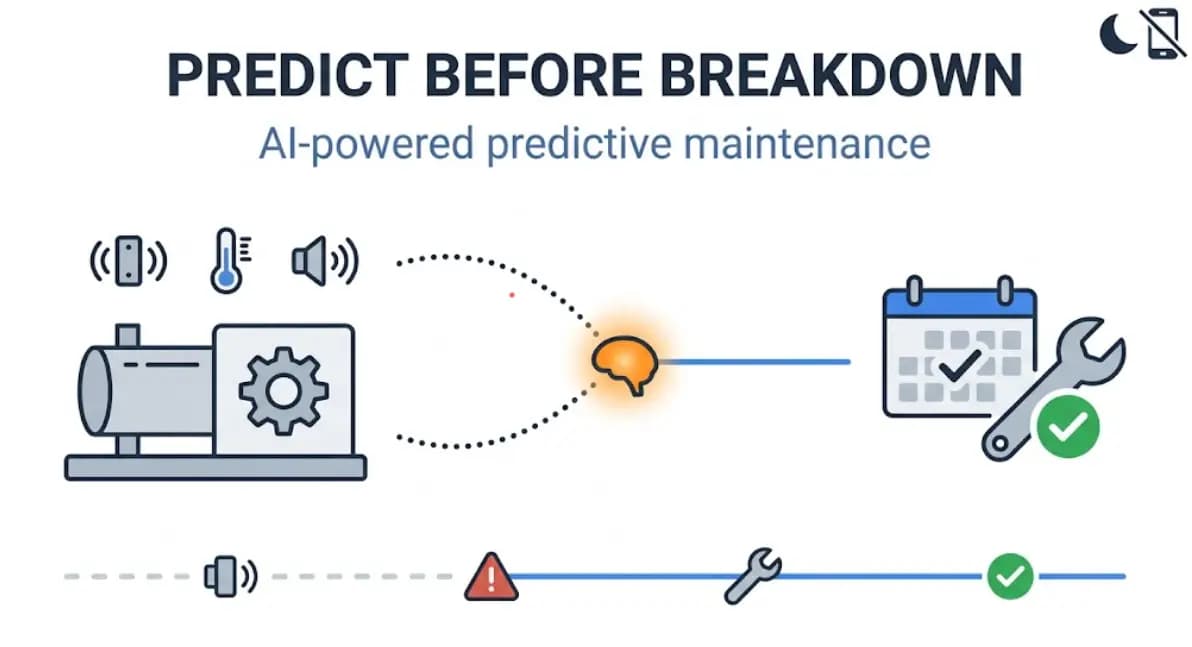
The Machine Failure: How AI Predicts Breakdowns Before They Stop Production
Recent
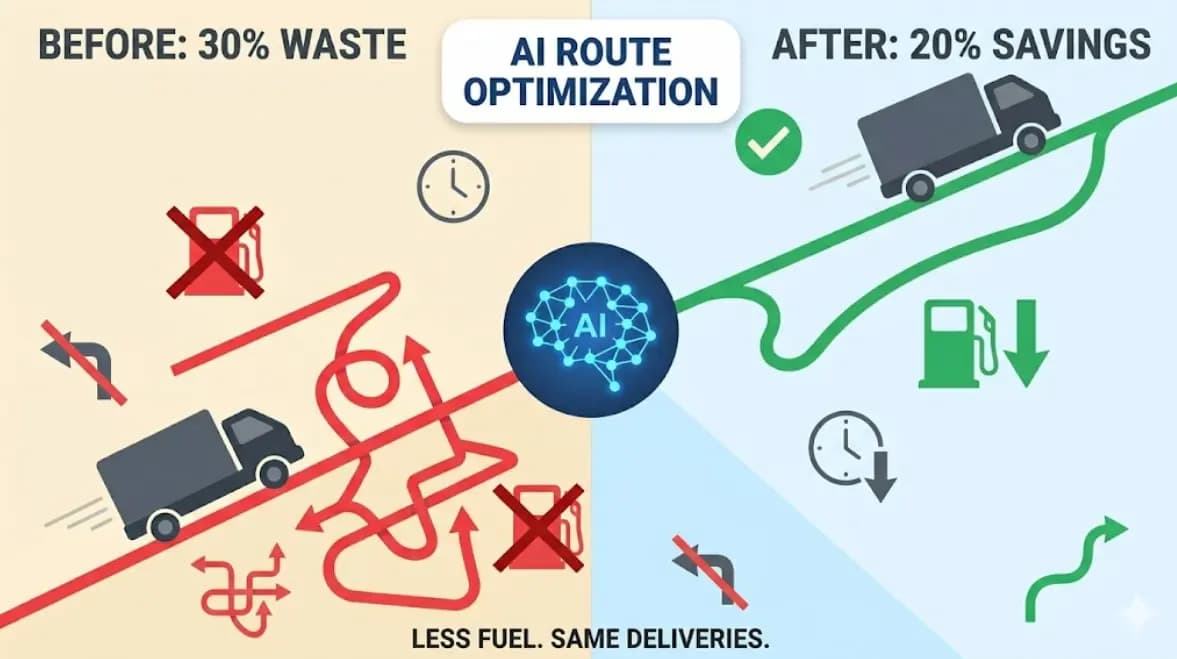
The Route That Bleeds Cash: How AI Cuts Fuel Costs Without Reducing Deliveries
Recent
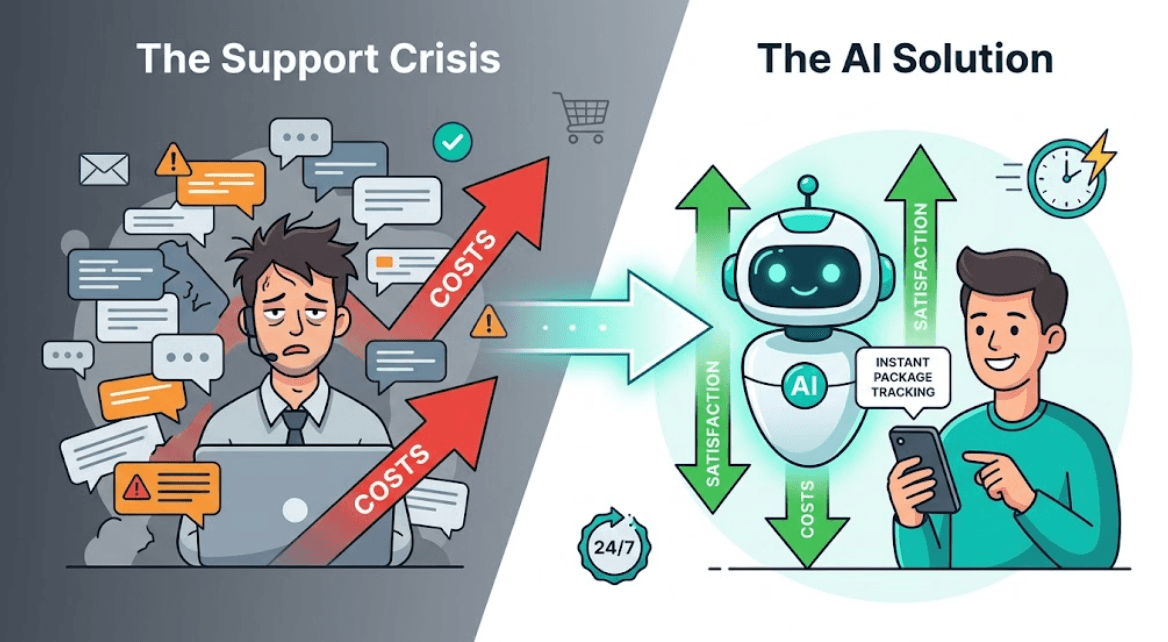
The Support Crisis: How AI in Ecommerce Cuts Costs and Delights Customers at Scale
Recent