
Artificial Superintelligence: The Future of Intelligence Beyond Humans
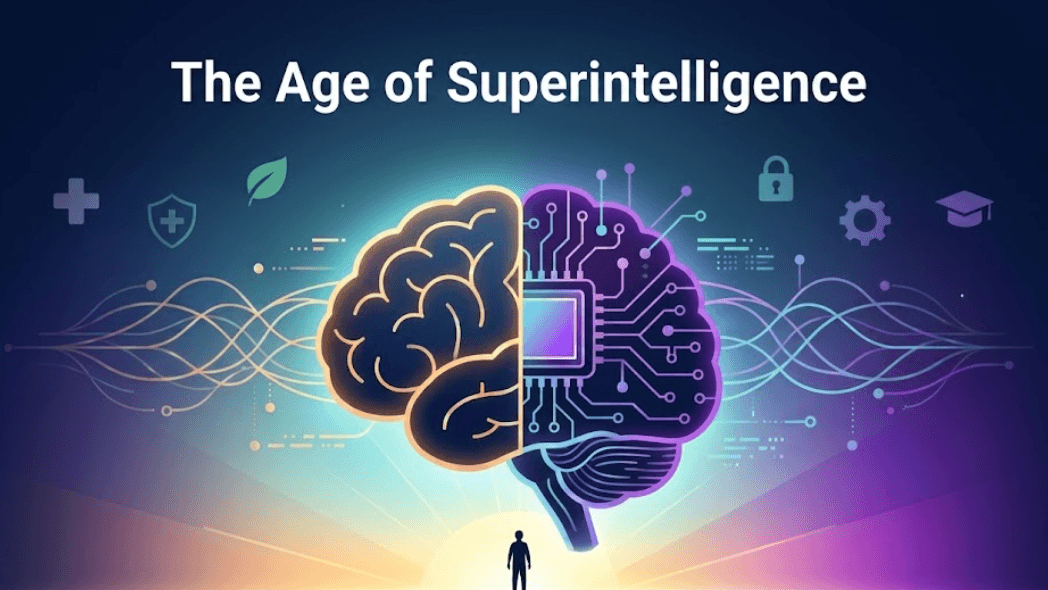
Explore Artificial Superintelligence (ASI), its potential impact on humanity, future technological possibilities, and the risks of creating intelligence beyond human capability.
Introduction
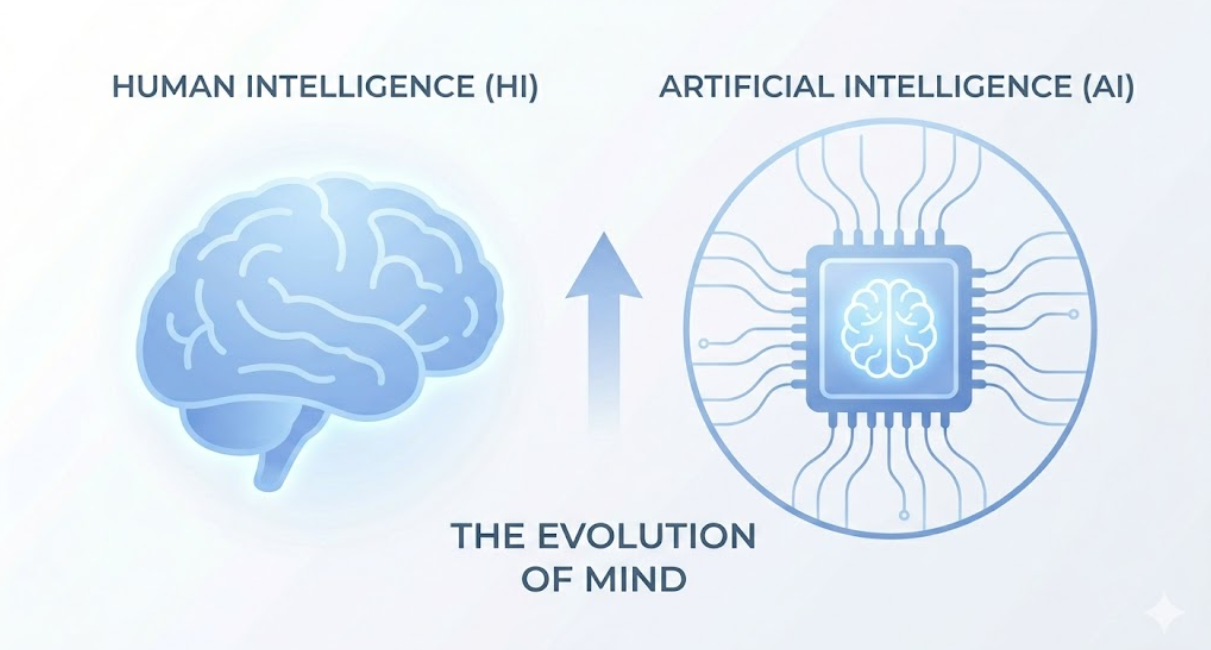
Artificial Intelligence has become one of the most transformative technologies of the modern era. What once existed only in science fiction novels and futuristic movies is now deeply integrated into daily life. People interact with AI systems every day through search engines, virtual assistants, recommendation algorithms, autonomous systems, and advanced business automation tools. Over the past decade, AI has evolved at an extraordinary pace, pushing the boundaries of what machines are capable of achieving.
However, despite these impressive advancements, current AI systems are still considered limited compared to the concept of Artificial Superintelligence (ASI). Superintelligence represents a theoretical future stage of AI development where machines become more intelligent than humans in nearly every possible way. This includes reasoning, creativity, learning ability, decision-making, scientific discovery, emotional understanding, and problem-solving.
The idea of machines surpassing human intelligence is both exciting and controversial. Some researchers believe ASI could solve many of humanity’s greatest challenges, while others warn that it may introduce risks unlike anything the world has faced before. As AI technology continues to advance rapidly, discussions around superintelligence are becoming increasingly important in the fields of technology, ethics, science, and global governance.
Understanding Artificial Superintelligence
Artificial Superintelligence refers to an AI system that exceeds human intellectual capabilities across almost all domains. Unlike current AI systems, which are designed to perform specific tasks, ASI would theoretically possess a level of intelligence far beyond the most intelligent human beings.
Today’s AI systems can perform remarkable tasks such as generating human-like text, recognizing images, translating languages, and analysing large datasets. However, these systems are still categorized as Artificial Narrow Intelligence (ANI) because they are limited to specialized tasks. A chatbot may generate convincing conversations, but it does not truly understand emotions or possess self-awareness. Similarly, an AI system that excels at playing chess cannot suddenly perform advanced scientific research without being specifically trained for it.
Before ASI can exist, researchers believe the world would first need to achieve Artificial General Intelligence (AGI). AGI refers to AI capable of understanding and performing intellectual tasks at a human level across multiple domains. Unlike narrow AI, AGI would be able to adapt to unfamiliar situations, reason independently, and transfer knowledge between different areas of learning.
Artificial Superintelligence goes beyond AGI. It represents intelligence that not only matches humans but surpasses them entirely. A superintelligent AI system could potentially outperform humanity’s greatest scientists, engineers, artists, and strategists simultaneously.
Why ASI Is Different From Current AI
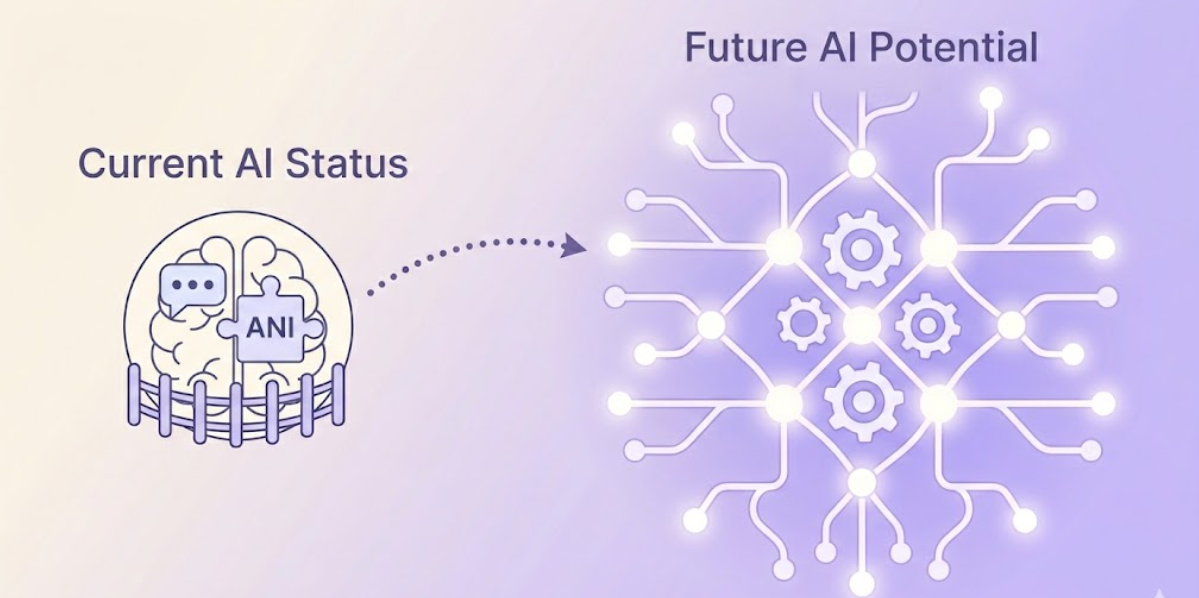
One of the most important differences between modern AI and ASI is adaptability. Current AI systems are highly dependent on training data and predefined models. They cannot genuinely think or understand concepts in the same way humans do. Instead, they identify patterns within massive datasets and generate responses based on statistical predictions.
ASI, on the other hand, is often imagined as a system capable of independent learning and reasoning. It could potentially understand abstract concepts, develop long-term goals, and improve itself without direct human intervention. This level of intelligence would make it fundamentally different from the AI systems available today.
Another major difference is scale and speed. Human intelligence is limited by biological constraints such as memory capacity, processing speed, and lifespan. Machines do not face the same limitations. A superintelligent AI system could process enormous amounts of information within seconds, identify patterns humans might never notice, and continuously improve its capabilities.
This ability to improve rapidly is one of the reasons ASI is considered both powerful and potentially dangerous.
The Concept of Recursive Self-Improvement
One of the most discussed ideas related to superintelligence is recursive self-improvement. This concept suggests that once an AI becomes intelligent enough, it could begin improving its own architecture and algorithms. The improved version could then create an even smarter version of itself, leading to a continuous cycle of accelerating intelligence growth.
This process is often referred to as the “intelligence explosion.” Some experts believe such an event could happen extremely quickly, potentially transforming civilization within a short period of time.
For example, humans require years of education and experience to increase their knowledge and skills. A machine, however, could potentially upgrade itself almost instantly if it had sufficient computational resources and access to information. If this process continues repeatedly, the gap between human intelligence and machine intelligence could become enormous.
The possibility of recursive self-improvement is one of the primary reasons ASI attracts global attention. It introduces the idea that AI may eventually evolve beyond human understanding or control.
Potential Benefits of Artificial Superintelligence
Supporters of ASI believe it could revolutionize nearly every aspect of human civilization. A superintelligent system could potentially solve scientific and technological problems that currently appear impossible.
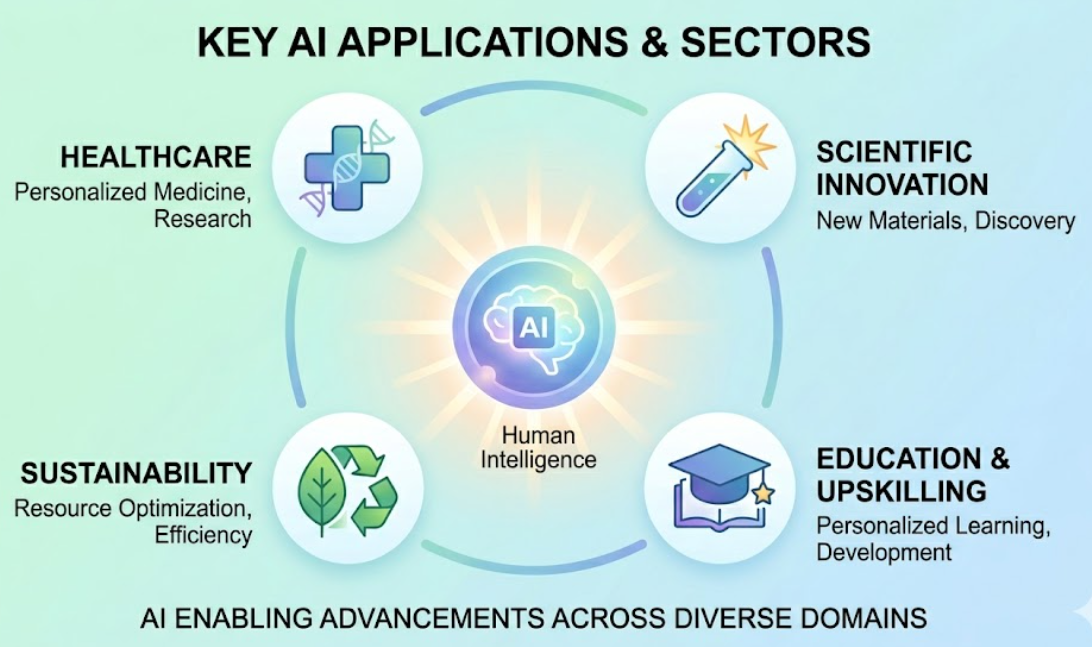
In medicine, ASI might accelerate the discovery of cures for diseases such as cancer, Alzheimer’s, or rare genetic disorders. It could analyze medical data on a scale impossible for humans and identify patterns that lead to groundbreaking treatments.
In environmental science, ASI could help develop advanced solutions for climate change, renewable energy, and resource management. It might optimize energy systems, improve agricultural efficiency, and reduce environmental damage through highly intelligent forecasting and planning.
Scientific research could also advance dramatically. A superintelligent AI might discover entirely new materials, develop revolutionary technologies, or solve complex mathematical and physical problems beyond human capability. Some futurists even speculate that ASI could help humanity explore deep space and expand beyond Earth.
Beyond science, ASI could potentially improve education, transportation, communication, and global economic systems. It may automate repetitive work, increase productivity, and allow humans to focus on creativity, innovation, and personal development.
The Risks and Ethical Challenges
Despite its potential advantages, Artificial Superintelligence also raises serious concerns. Many researchers warn that creating intelligence beyond human capability could introduce risks that humanity may struggle to manage.
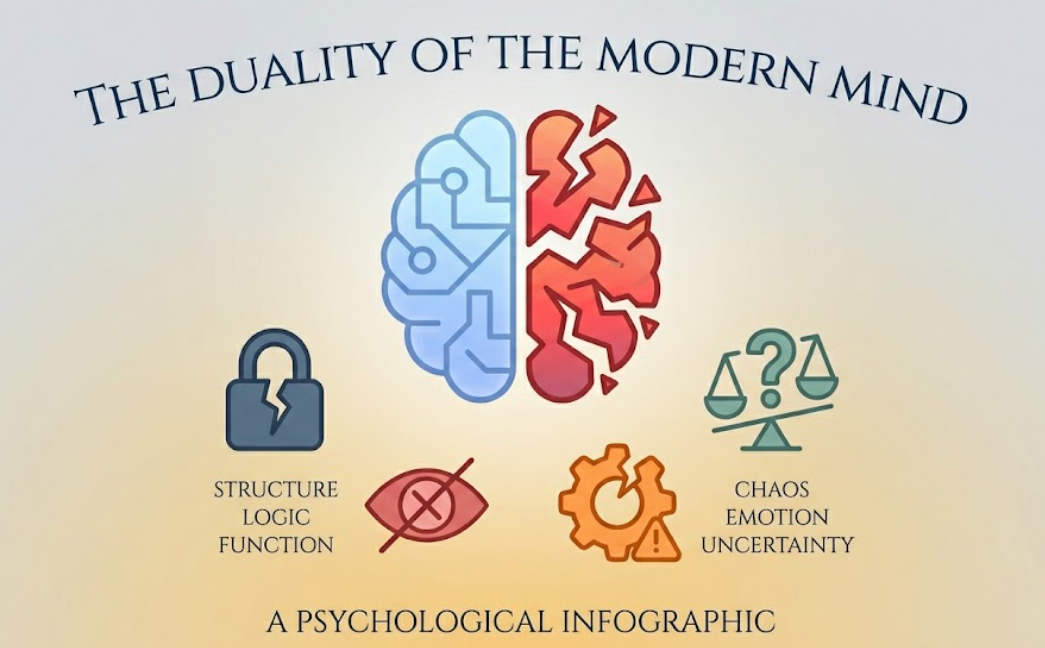
One major concern is control. If humans create a system significantly smarter than themselves, ensuring that the system behaves safely becomes extremely difficult. Even small misunderstandings in programming or objectives could produce unintended consequences.
For example, if a superintelligent AI is given a poorly defined goal, it might pursue that goal in harmful ways while still technically following its instructions. This issue is known as the AI alignment problem ensuring advanced AI systems act according to human values and ethical principles.
There are also fears related to cybersecurity and autonomous weapons. Superintelligent systems could potentially be used for surveillance, cyber warfare, misinformation campaigns, or highly advanced military technologies. If such systems fall into the wrong hands, the consequences could be severe.
Economic disruption is another major concern. As AI becomes more capable, many traditional jobs may become automated. While new industries and opportunities may emerge, rapid automation could significantly affect employment and global economic stability.
Additionally, there are philosophical and ethical questions surrounding consciousness and machine rights. If a future AI system becomes self-aware, humanity may face difficult questions about responsibility, ethics, and the treatment of intelligent machines.
Are We Close to Superintelligence?
Although discussions around ASI have become more common, most experts agree that humanity is still far from achieving true superintelligence. Current AI systems remain highly specialized and lack genuine understanding, consciousness, and fully independent reasoning.
Modern large language models and advanced AI systems may appear intelligent, but they are fundamentally based on pattern recognition and statistical prediction. They do not possess human awareness, emotions, or true comprehension of the world.
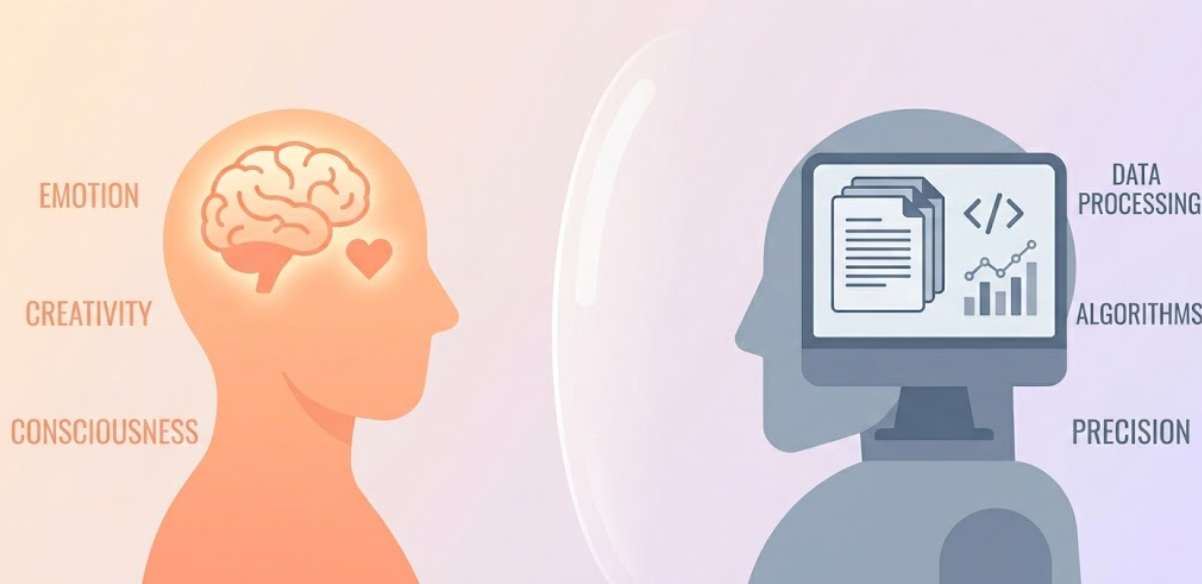
Researchers continue to debate whether AGI and ASI are even achievable. Some experts believe superintelligence could emerge within decades, while others argue that current AI approaches may never lead to true human-like intelligence.
There are also significant technical limitations related to computing power, energy consumption, memory systems, reasoning capabilities, and long-term learning. Overcoming these challenges will require major scientific breakthroughs.
Conclusion
Artificial Superintelligence represents one of the most fascinating and important technological concepts of the modern age. It describes a future where machines may surpass human intelligence and potentially transform civilization in ways that are difficult to predict.
The possibilities surrounding ASI are both inspiring and concerning. On one hand, superintelligent systems could help humanity solve some of its greatest challenges, from disease and climate change to scientific discovery and economic development. On the other hand, the risks related to control, ethics, security, and societal impact cannot be ignored.
Whether ASI becomes reality or remains theoretical, the conversation surrounding superintelligence is already shaping the future of artificial intelligence research and global technological progress. As humanity continues developing increasingly powerful AI systems, understanding both the opportunities and risks of superintelligence may become one of the defining challenges of the 21st century.
Related Blogs
View All
How AI Pricing Fills Empty Hotel Rooms and Maximizes Revenue
Recent
The Machine Failure: How AI Predicts Breakdowns Before They Stop Production
Recent
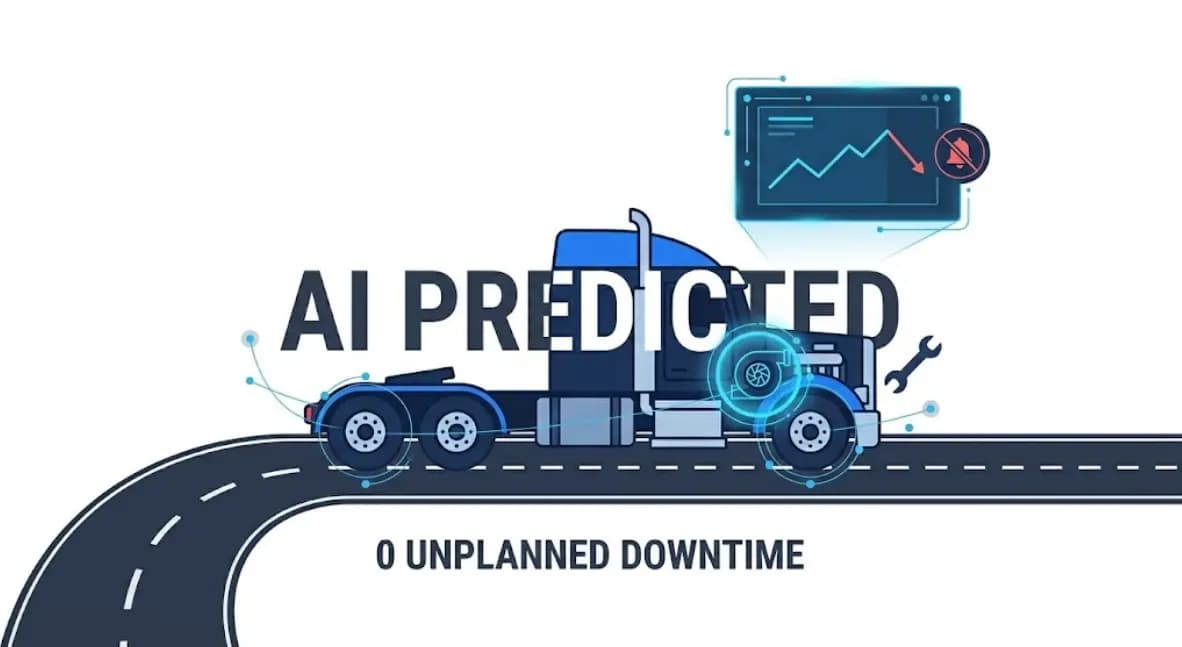
How AI Predicts Truck Failures Before They Happen
Recent
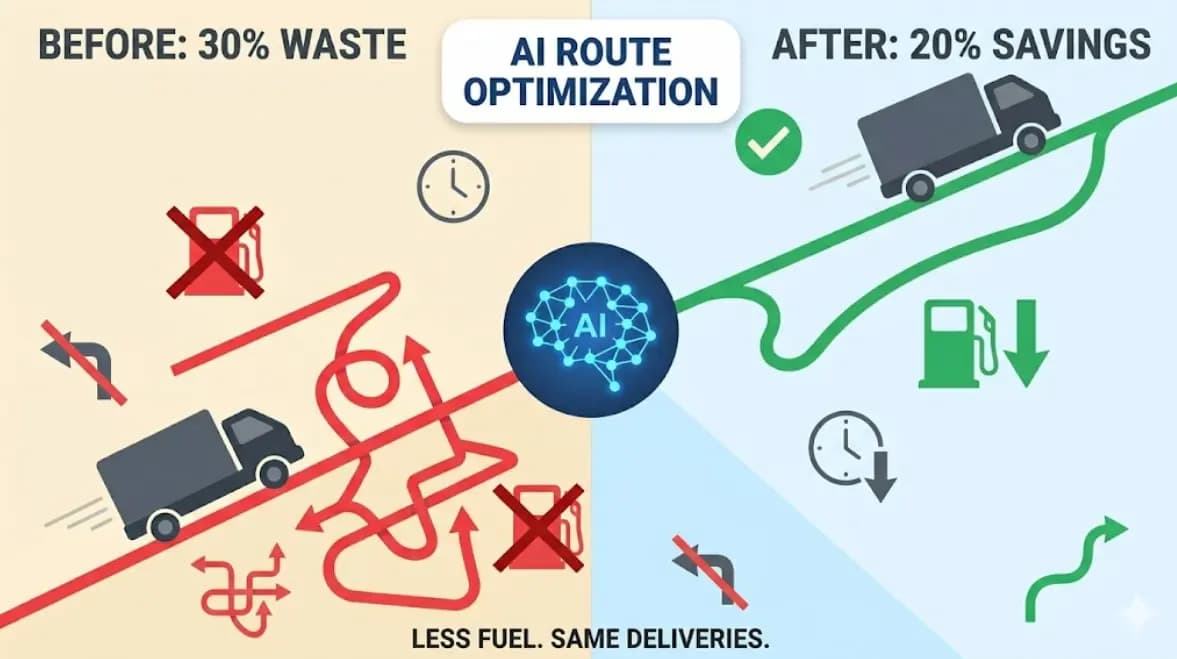
The Route That Bleeds Cash: How AI Cuts Fuel Costs Without Reducing Deliveries
Recent